Collaborating with communities, tribes, nonprofits and qualified technical partners.
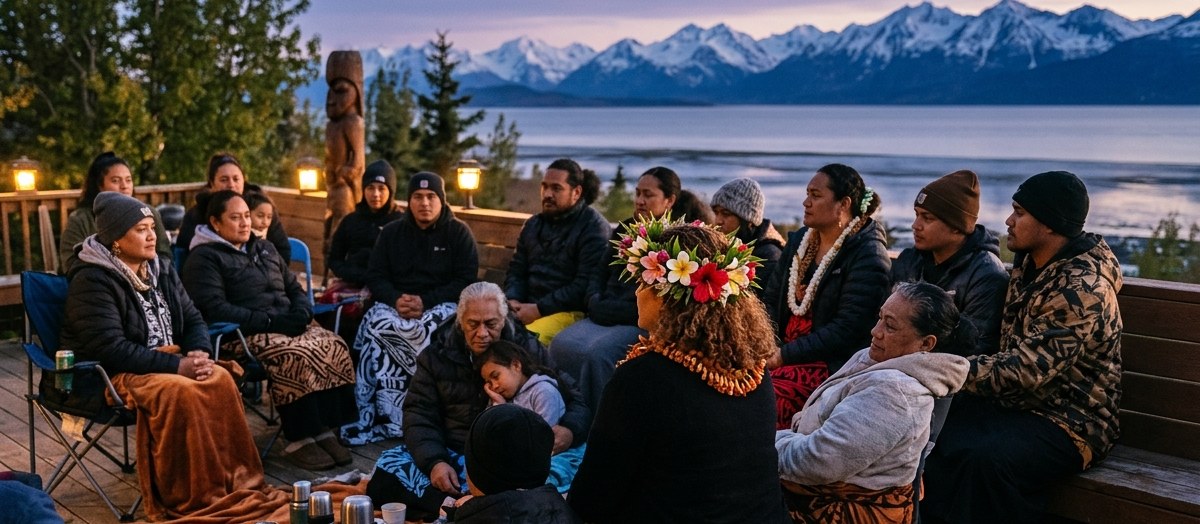
Collaborating with communities, tribes, nonprofits and qualified technical partners. Our approach centers meaningful relationships, practical information, cultural connection and responsible partnerships.
Explore the priorities below, learn how this area connects to our broader mission, and reach out for current program information.
DISCOVER OUR STORY →Three interconnected priorities guide how STCOA approaches this work and collaborates with families and partners.
01Start with local priorities and mutually agreed community benefits.
 02
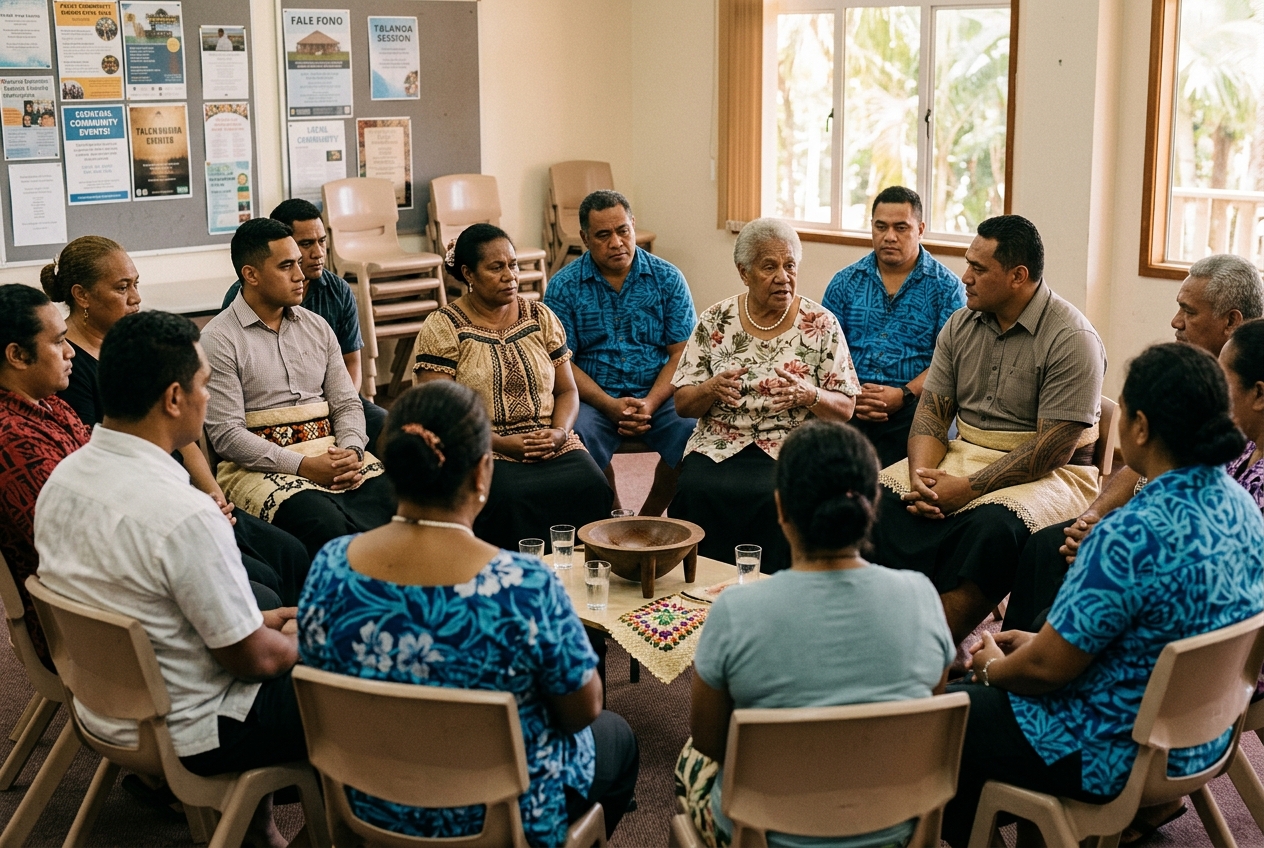
Explore roles for community members in appropriately funded and authorized projects.
 03
Consider agreements that clearly define authority, scope, responsibilities and applicable eligibility rules.
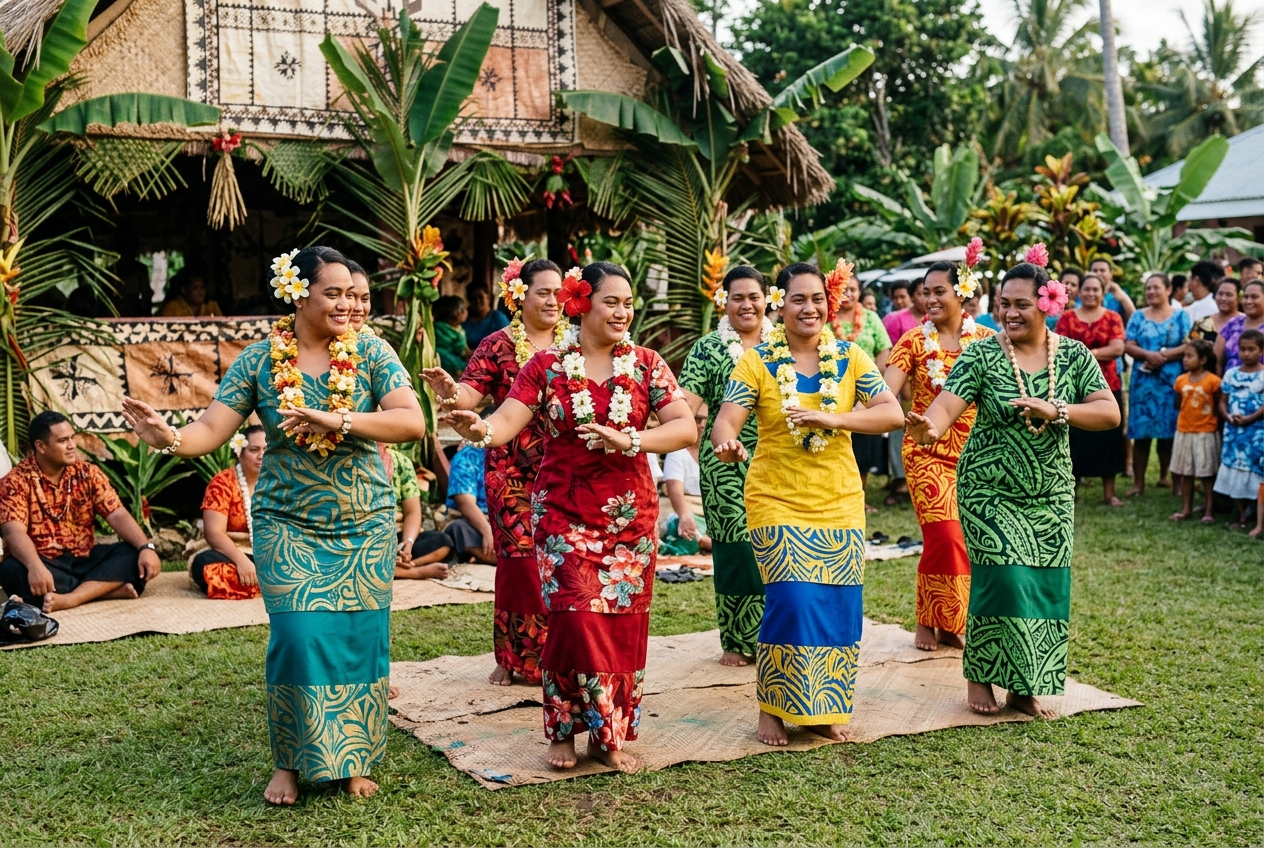
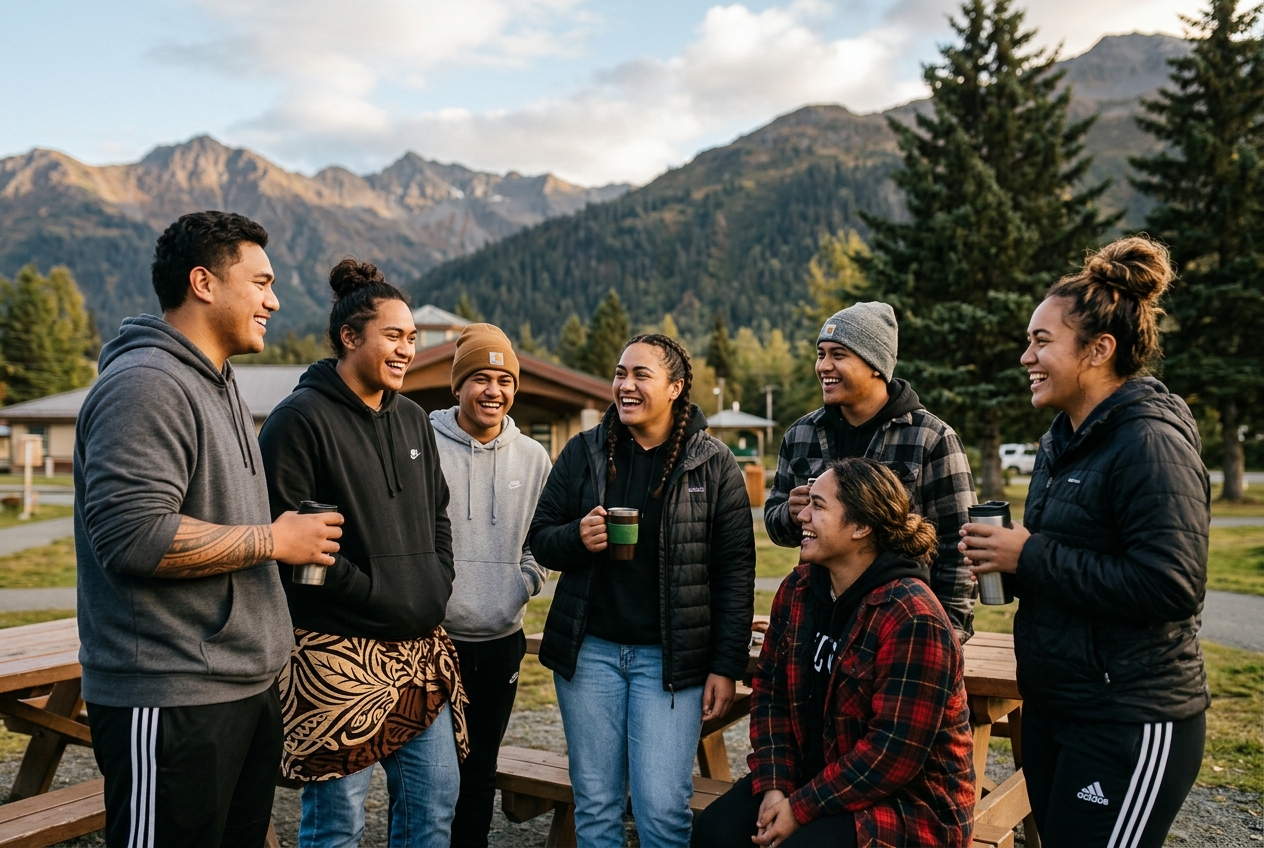
Community-centered service begins with listening, respect and the belief that cultural identity is a source of strength.
01Local voices shape priorities before any project begins.
 02
Roles, timelines and outcomes agreed in the open.
 03
Training and employment pathways for community members.
 04
Defined authority, responsibilities and reporting.
Partnership opportunities require review of organizational authority, applicable procurement rules, eligibility and project-specific approvals.
CONTACT OUR TEAM →
Start with shared objectives, clarify roles and responsibilities, evaluate legal and technical requirements, and agree on measurable community benefits.
Strong partnerships begin with mutual respect, clearly defined responsibilities and community priorities. STCOA seeks to explore collaborations that create practical benefits rather than promises without a delivery plan.
01Potential collaborations may involve environmental restoration, workforce training, cultural initiatives, community services or responsible economic development. Each opportunity should be assessed on its own merits.
02Before entering a joint venture, parties should clarify governance, scope of work, financial contributions, risk allocation, intellectual property, reporting and the authority of each participating organization.
03Tribal sovereignty, land rights, consultation obligations and the rules of any funding program must be respected. A nonprofit organization should not represent itself as a federally recognized tribe or as eligible for a tribal-only grant unless that status and eligibility are independently established.
04Community benefit provisions can address local hiring, training, safety, communication and measurable outcomes. Technical and legal review may be necessary before a formal agreement is signed.
05Prospective partners can begin with a short introduction describing their organization, proposed project, location, available resources and desired outcomes.