
Building belonging, positive pathways and brighter futures for young people.
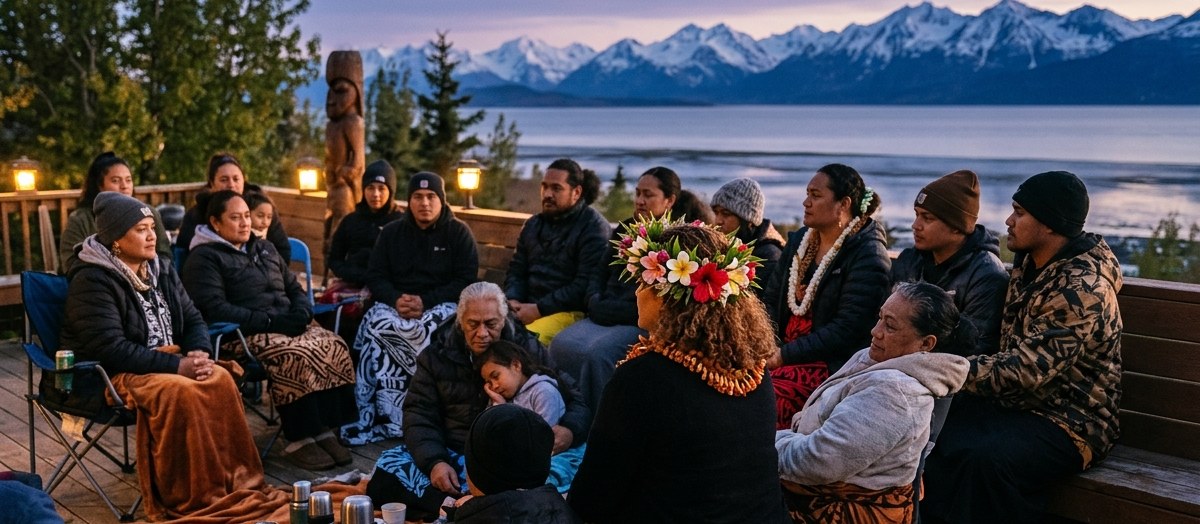
Building belonging, positive pathways and brighter futures for young people. Our approach centers meaningful relationships, practical information, cultural connection and responsible partnerships.
Explore the priorities below, learn how this area connects to our broader mission, and reach out for current program information.
DISCOVER OUR STORY →Three interconnected priorities guide how STCOA approaches this work and collaborates with families and partners.
 01
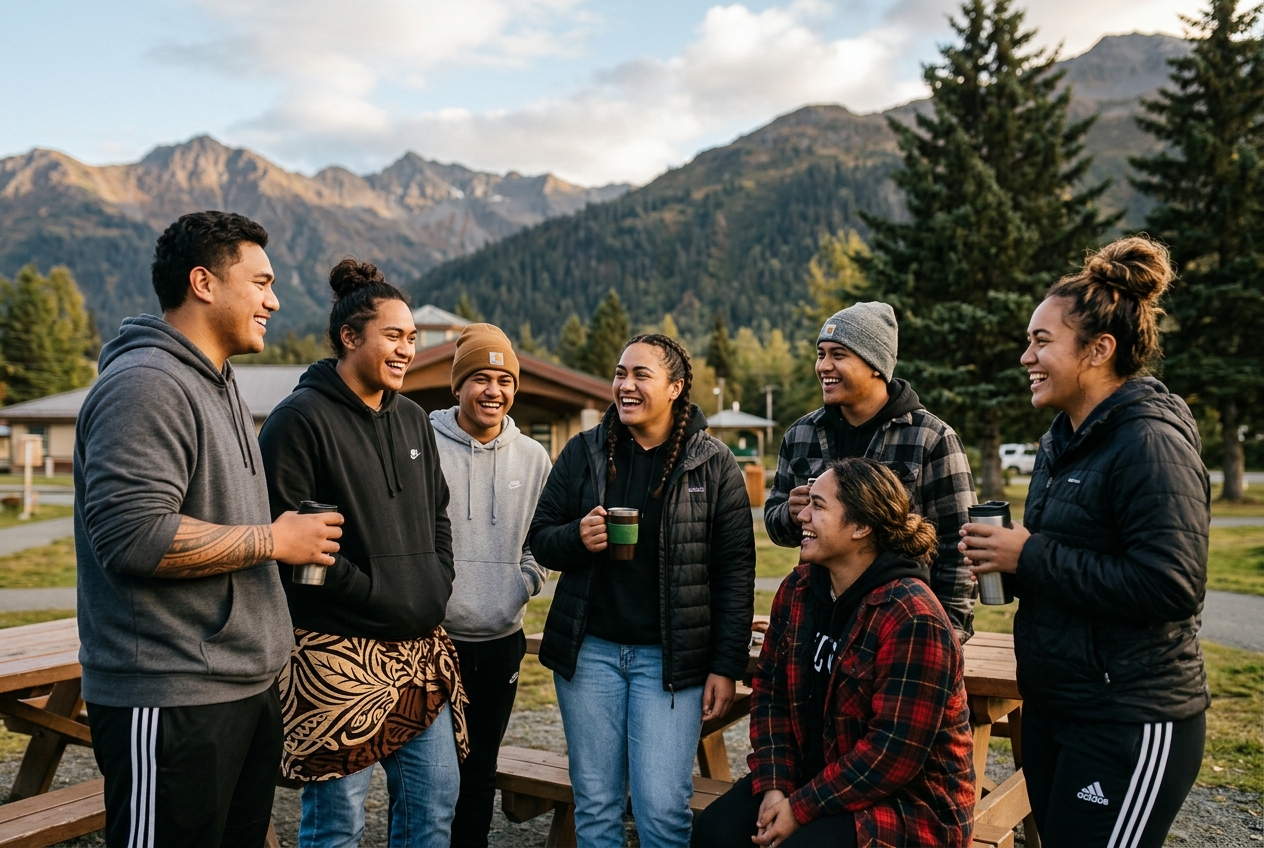
Create supportive relationships with caring adults, cultural mentors and community role models.
 02
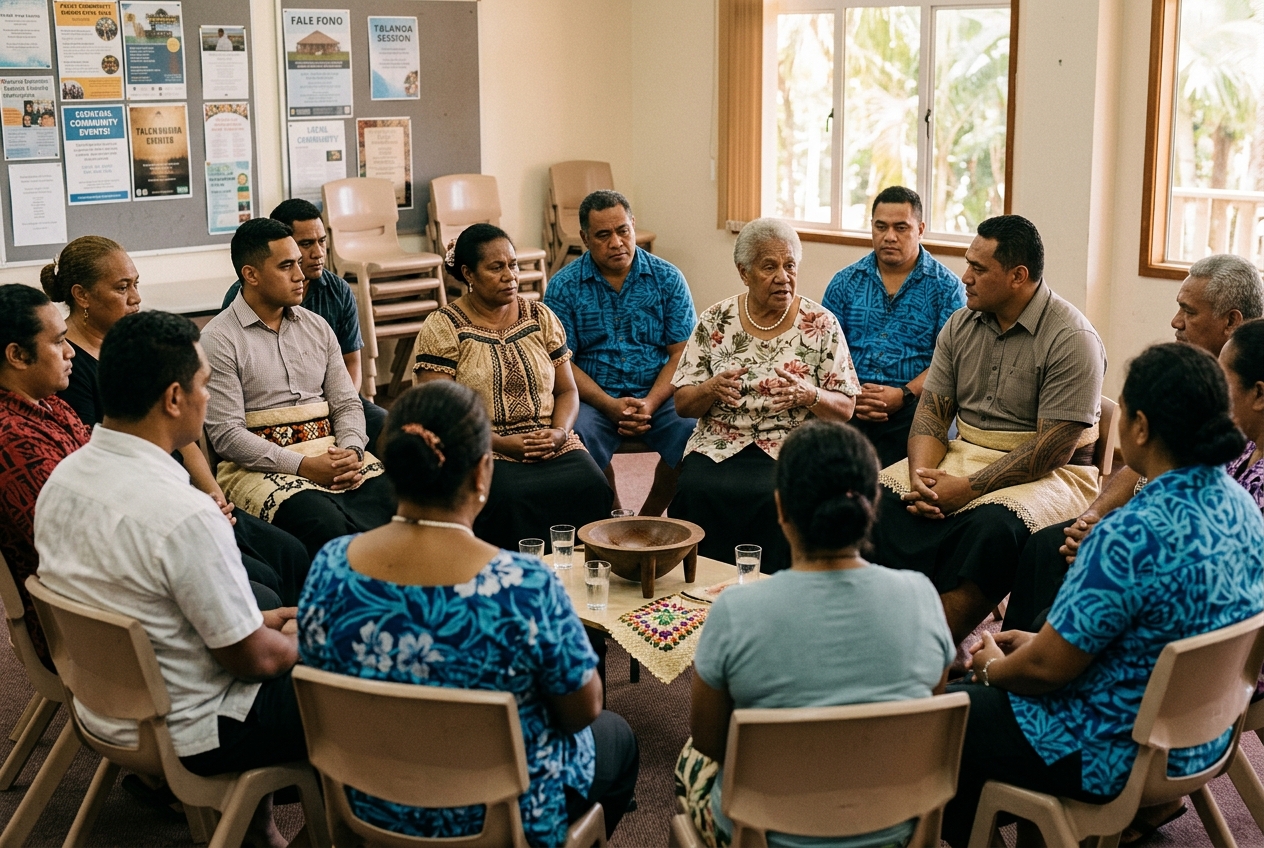
Explore family engagement, transition planning, and community resources for youth returning from detention or other placements.
 03
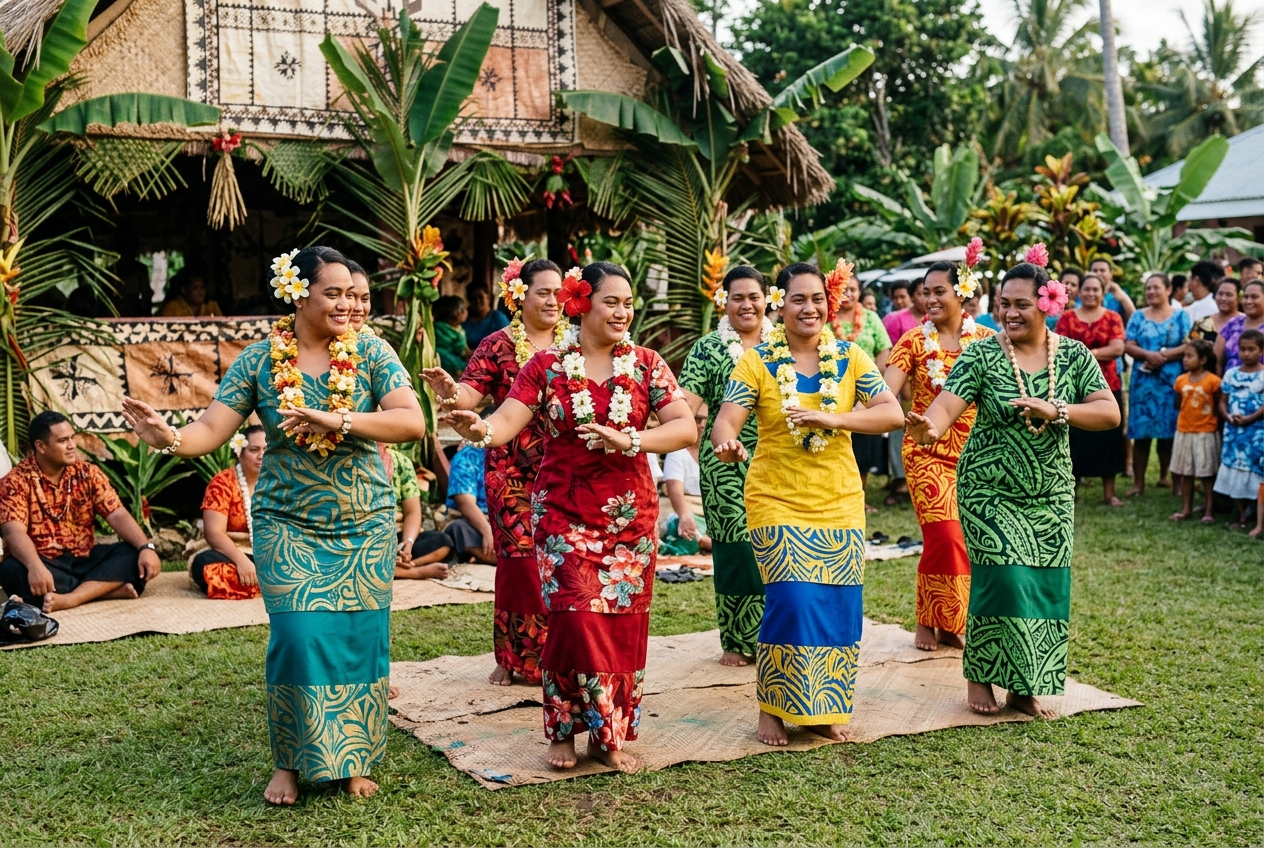
Encourage confidence, responsibility, cultural pride and positive participation in community life.
Community-centered service begins with listening, respect and the belief that cultural identity is a source of strength.
0102 03
 04
Parents, caregivers, youth and referring organizations can contact STCOA to discuss needs, eligibility and currently available opportunities.
CONTACT OUR TEAM →
A family or referring partner can begin with an inquiry, discuss the young person’s goals and needs, and explore suitable resources and next steps.
Young people thrive when they feel connected to their families, culture, education and community. STCOA’s youth development focus emphasizes relationships, confidence, accountability and opportunities to make constructive choices.
01Mentorship can bring youth into contact with supportive adults and positive role models. Cultural activities can help youth understand their identity, learn from elders and develop a sense of belonging that continues into adulthood.
02For youth involved with detention, probation or reentry, families may need help understanding transition plans, reconnecting with school or training, and identifying community-based resources. Any formal coordination with facilities or justice agencies requires appropriate authorization.
03Family engagement is central. Parents, guardians and extended relatives may be included in planning when appropriate and authorized, with attention to privacy and the young person’s individual needs.
04Potential activities include leadership conversations, community service, cultural education, school or training referrals and family support navigation. Specific offerings depend on staffing, partnerships and available resources.
05Families or referral partners can contact STCOA with a general description of the youth’s needs. Do not send confidential case records through an unsecured public inquiry. Ask for an approved intake process.